

How does red light therapy increase cellular (mitochondrial) energy?
Red light therapy (medically often called photobiomodulation) is the exposure to red or near-infrared (NIR) light to stimulate natural cell renewal processes and energy production. In this process Mitochondria are the "powerhouses" of the cell„, which produce energy in the form of ATP (adenosine triphosphate).
ATP is the main “energy currency” in our cells. Think of ATP as small charged batteries or small change, by which the cell accounts for all work:
- Muscle contractions (movement);
- Material transport through the cell membrane;
- Tissue renewal and repair;
- Protein production and other "repair" functions.
Mitochondria make ATP from what they get in food and oxygen. When ATP stores are sufficient, the cell can to work efficiently, which is why it is said that better mitochondrial function is often associated with better recovery and well-being.
Does red light therapy really increase mitochondrial ATP energy?
Most often, photobiomodulation is associated with increased ATP production and activation of cell signals, but the effect depends on the wavelength, dose and tissue condition. In scientific review papers It is described that red and NIR (near infrared) light can activate mitochondrial processes and alter NO/ROS/Ca²⁺ signaling, which is ultimately associated with an increase in energy (ATP).
Thus, red and near-infrared (NIR) light acts as a gentle “signal button” for some cells: it can help mitochondria work more efficiently, which can increase ATP production.
It is also important that the result depends on three simple things: what kind of light (wavelength), how much of it you receive (dose), and what is the condition of the tissue (e.g. tired skin or tense muscles).
What mechanisms link red light to mitochondrial energy?
In scientific sources The 3 most commonly mentioned ways mitochondria function are – activation of mitochondrial chromophores, changes in nitric oxide (NO) bioactivity and modulation of cellular signals (ROS/Ca²⁺/gene expression):
Generally speaking, scientists usually talk about three "buttons"that red/NIR light can gently tap into our cells. It sounds complicated, but the point is simple: the light gives a signal, and the cell responds to it – often in a way that makes it easier for the mitochondria to do their job.
The effect of red light on mitochondria:
1) Activation of mitochondrial chromophores
Chromophores are simply parts of the cell that absorb light (like little “solar collectors”). When they absorb red or NIR light, mitochondria can get a boost to work more efficiently. Simply put, light awakens mitochondria.
2) Changes in the bioactivity of nitric oxide (NO)
Nitric oxide (NO) is body's signaling substance, which is very often associated with blood vessel relaxation and blood circulationWhen NO is working well, tissues can receive more oxygen and nutrients, which is to the mitochondria like fuel for an engine. In other words: better blood circulation = easier energy production and recovery.
3) Modulation of cellular signals (ROS/Ca²⁺/gene expression)
Here it is worth imagining a cell as a city with traffic lights and messages:
- ROS (reactive oxygen species) sound threatening, but in small amounts they can act as "signal burst", which tells the cell: "time for repair";
- Ca²⁺ (calcium) in the cell acts as fast reporter, passing the command on what to do next;
- Gene expression means that the cell can enable or disable certain "programs" (e.g. related to repair, inflammation reduction, antioxidant protection).
So, light can cause a small, controlled signal, which tells the cell to "fix, strengthen, repair.".
How to practically apply red light therapy to improve mitochondrial function?
The best effect is usually not achieved by long sessions of red light therapy, but by using it correctly. Mitochondria love regularity and moderation, i.e. better shorter, but constant.
When you use light wisely, cells receive a clear, gentle signal to “turn on” and work more efficiently, and the body doesn’t have to defend itself against excessive stimulation. Therefore, it’s worth choosing one simple regimen (for example, several times a week at the same time, at the same distance) and sticking to it for at least 2-3 weeks.
Why doesn't light therapy bring the expected results? It is often disappointing when red light therapy sessions are performed inconsistently and without a clear regimeIt also encourages disappointment too high expectations and lack of patienceIn addition, it is necessary to understand that red light therapy works best as a complementary tool: if sleep is poor, stress is high, and the body is overworked, the mitochondria will still work in "saving mode."
We recommend
When choosing light therapy equipment, it is recommended to focus on verified, certified and transparent manufacturers – this ensures safety and real results.
RECOMMENDEDME
TOP trademark in Europe MITO LIGHT®
MITO LIGHT – this Czech Innovation Center, whose products used by professionals in spas and clinics across Europe. 30-day money back guarantee and 3 year warranty. . Free shipping all over the world. Trustpilot rating 5/5 (339 reviews). Read more about MITOLIGHT here.


DERMFIX®– 20+ years of phototherapy and medical device manufacturing experience
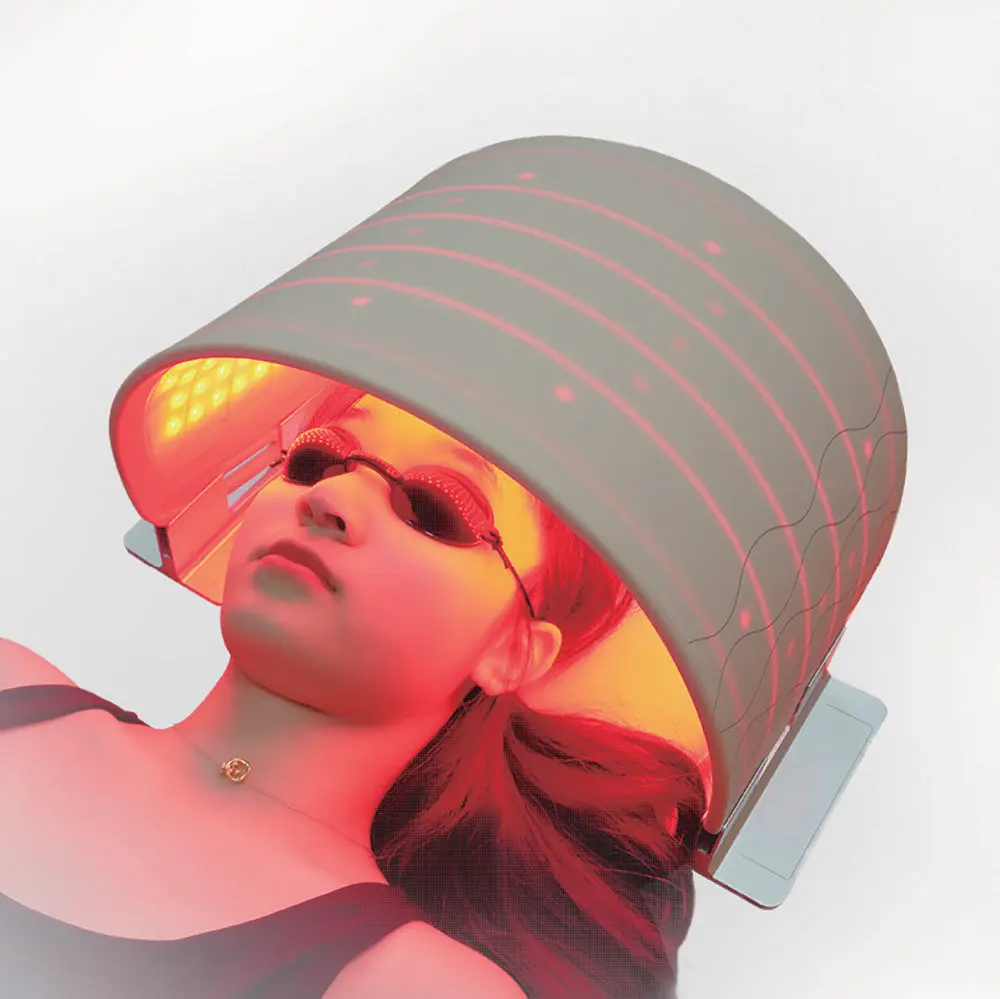
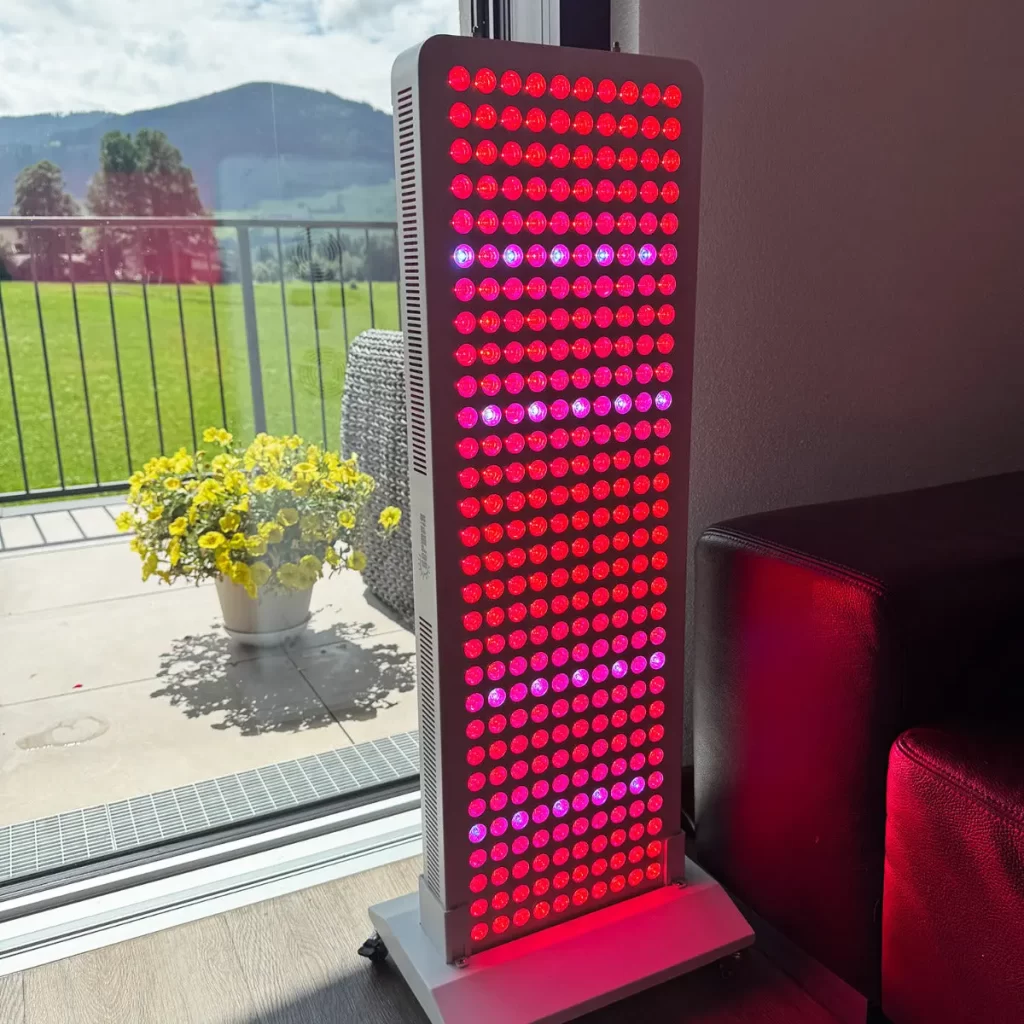
Dermfix rEuropean phototherapy manufacturer with a team of over 20 years of experience in light therapy and medical devices. This experience is applied in RLF red light panels, which stand out with transparent spectrometer measurements, advanced control, documented safety compliance and European service. Read more about Dermfix here.read here.



FAQ
Conclusions
Red light therapy (photobiomodulation) is associated with changes in mitochondrial activity and ATP energy, as light can modulate cellular biochemistry and signaling. The most realistic results occur when the appropriate wavelength is selected (e.g. 660 nm for skin or 850 nm for deeper tissues) and the dosing logic is followed. The science in this area has both strong reviews and critical comments, so the most important parameters are stokas.lt.