Athletes' Secret: Faster Muscle Recovery with Red Light Therapy
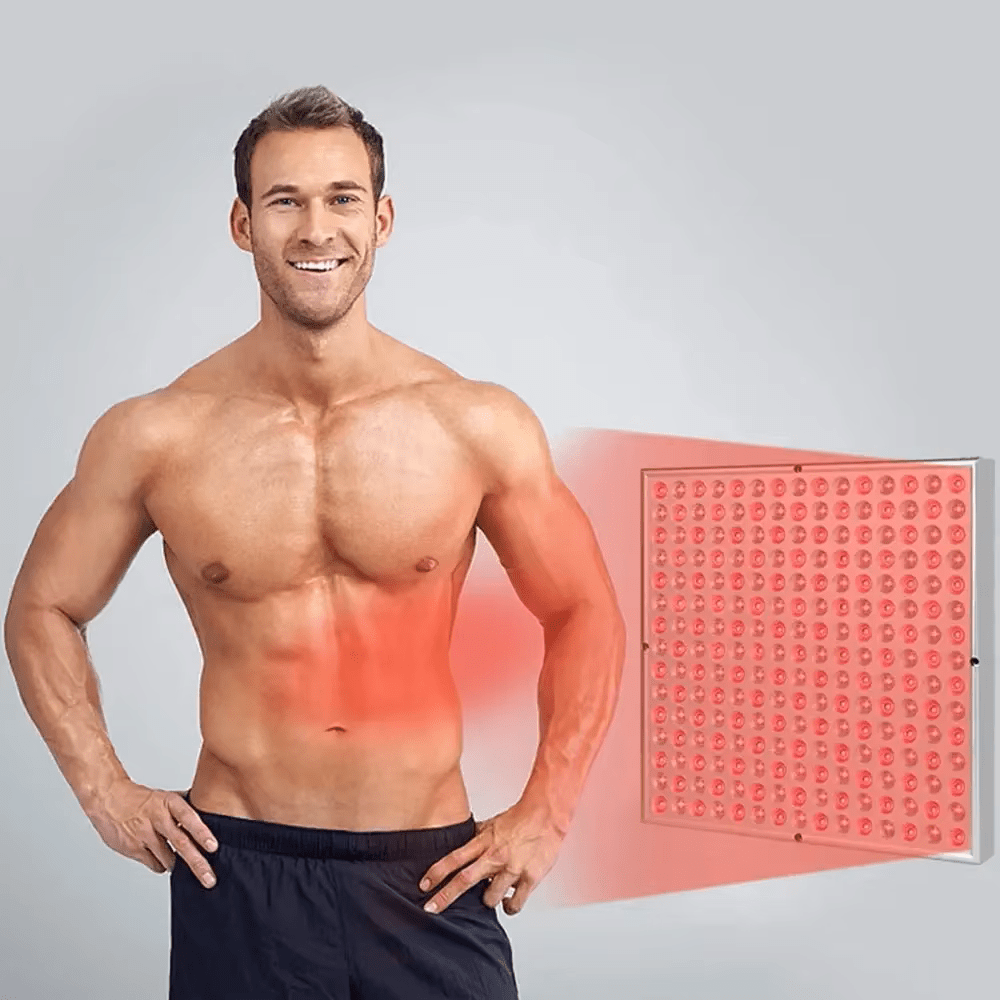
Red light therapy helps muscles recover faster after exercise by stimulating cellular energy production and reducing inflammation. It is one of the methods increasingly used by athletes to achieve faster recovery without additional stress on the body.
This therapy is relevant for both professionals and people living an active lifestyle. This article explains how this technology works, what benefits it provides, and how to properly apply it for muscle recovery.
How can red light therapy help athletes?
Red light therapy can help athletes recover faster from workouts by affecting energy production, inflammation, and blood flow in muscle cells. It is not a substitute for rest, but it can be a useful adjunct to recovery.
During exercise, micro-damage occurs in the muscles, and the body needs time to repair them. Red and near-infrared light reaches the tissues and affects the mitochondria, which are involved in energy production. When cells have more energy, recovery processes can take place more efficiently. This therapy is also associated with less muscle soreness after exercise and better oxygenation of the tissues. As a result, the athlete may feel less stiffness and return to their normal training rhythm more quickly. The most important thing to understand is that results depend on consistent use, the right equipment, and an overall recovery routine.
How does red light therapy work?
Red light therapy works at the cellular level, stimulating energy production and regeneration processes. This mechanism explains why it is associated with faster muscle recovery.
Light, which usually has a wavelength of around 600-900 nm, penetrates the skin and can reach deeper tissues. There, it affects mitochondria, the cell structures responsible for producing ATP. ATP is the main source of energy needed for tissue regeneration, inflammation regulation and muscle repair. After intense training, the body needs more energy, so better cell function becomes important. Red light therapy can also help reduce oxidative stress, which can slow down recovery after exercise. These processes allow muscles to return to normal more quickly.
Main mechanisms of action:
- Activation of mitochondria;
- Promoting ATP production;
- Reducing oxidative stress;
- Regulation of inflammatory processes;
- Better blood circulation in the tissues.
More about the mechanism of action can be found in the scientific source: https://www.ncbi.nlm.nih.gov/pmc/articles/PMC5523874/
What are the main benefits for athletes?
Red light therapy is most widely recognized for its ability to reduce muscle soreness and speed up recovery after exercise, allowing athletes to train more consistently and reducing the risk of forced breaks.
Delayed onset muscle soreness, also known as DOMS, often occurs after intense training. Red light therapy can help reduce this discomfort by affecting inflammatory processes and tissue regeneration. Improved blood flow helps deliver oxygen and nutrients to the muscles more quickly. This is important both after strength training and endurance exercise, when the body is under high metabolic stress. When muscles recover faster, it is easier for the athlete to maintain their training plan. However, therapy should be combined with sleep, nutrition, and proper stress management.
The most relevant benefits for athletes:
- Faster muscle recovery.
- Less muscle soreness after exercise.
- Lower inflammatory response.
- Better oxygen supply to tissues.
- Easier return to training rhythm.
Studies on the effects on athletic performance: https://pubmed.ncbi.nlm.nih.gov/24366058/
When to use therapy – before or after training?
Red light therapy can be used both before and after exercise, but the purpose is different. Before exercise, it is more often associated with muscle preparation, and after exercise, with recovery.
When used before a workout, the therapy can help activate the tissues and prepare the muscles for work. This is especially true before strength or high-intensity workouts. After a workout, the main goal is to reduce the inflammatory response, maintain blood flow, and promote regeneration. For athletes who train several times a week, this application may be more practical because it is directly related to the recovery process. It is important to choose one clear goal and use the therapy consistently. The best results are usually achieved when the timing, duration, and frequency of use are not constantly changed.
Practical application:
- Before training – for muscle activation;
- After training – to promote recovery;
- After the competition – to reduce fatigue;
- During intensive cycles – to support regeneration;
- After lighter workouts - as needed, not mandatory.
How to use red light therapy properly?
Red light therapy is most effective when used regularly, at the appropriate distance, and for the recommended duration. Improper use may reduce benefits or cause unnecessary skin and eye irritation.
The duration of one session usually depends on the power of the device and the area of the body being illuminated. 10-20 minutes per muscle group is often chosen, but you should follow the instructions for the specific device. Too short a distance can be too intense, and too long can reduce the effect of the therapy. When using therapy after training, it is worth directing the light to those areas that have experienced the most stress. For example, after a leg workout, the thighs, buttocks and calves are most often focused on. Regularity is more important than a single, longer use, so it is better to choose shorter but consistent sessions.
It is recommended to pay attention to:
- Session duration;
- Distance from the device;
- Device power;
- Illuminated muscle group;
- Frequency of use per week;
- Eye protection.
Who is this therapy most suitable for?
Red light therapy is suitable for athletes of all levels who want to improve recovery after exercise. It is especially useful when training is frequent, intense, or causes prolonged muscle soreness.
Professional athletes choose it because of the need to recover quickly between training and competitions. For fitness enthusiasts, it is relevant when muscle pain prevents them from sticking to their training plan. Runners, cyclists and other endurance athletes can use it after long workouts, when the body is experiencing great fatigue. For strength athletes, this therapy is useful after heavy training, when muscle micro-damage is more pronounced. It can also be useful for people returning to activity after a break and want to manage recovery more gently. However, in case of injuries or health conditions, a specialist should be consulted.
This therapy is most often relevant for:
- For professional athletes;
- For fitness enthusiasts;
- For runners and cyclists;
- For strength athletes;
- For people after intense training cycles;
- For active people who experience frequent muscle fatigue.
Are there any side effects?
Red light therapy is considered safe when used as recommended. The most common problems are not caused by the therapy itself, but by using it too long, too often, or improperly.
This therapy is non-invasive, so it doesn’t require needles, medication, or complicated preparation. Most people tolerate it well, but more sensitive skin may experience redness or a warm sensation. It’s important to protect your eyes, as direct exposure to the intense light can be uncomfortable or harmful. You should also not exceed the manufacturer’s recommended session duration, as longer use does not necessarily mean better results. People with skin conditions, those taking photosensitizing medications, or those recovering from serious injuries should consult their doctor. When used properly, red light therapy can be a safe adjunct to sports recovery.
For safe use it is important to:
- Do not exceed the recommended duration.
- Protect eyes from direct light.
- Keep to the distance specified by the manufacturer.
- Do not use on irritated skin without specialist advice.
- Consult your doctor when taking photosensitizing medications.
More about security: https://www.ncbi.nlm.nih.gov/books/NBK554468/
FAQ
Conclusions
Red light therapy can be beneficial for athletes seeking faster muscle recovery after training. It affects cellular energy production, helps regulate inflammation, and can reduce muscle soreness after exercise.
- Red light therapy is most associated with faster muscle regeneration.
- It works through mitochondria and ATP production.
- The most relevant benefits for athletes are less pain, better blood circulation, and shorter recovery time.
- The therapy can be used before or after a workout, but it is most often used after a workout for recovery.
- For safe use, it is necessary to follow the manufacturer's instructions and protect your eyes.
- The best results are achieved when therapy is combined with sleep, nutrition, and a reasonable training load.
Read more about the benefits and effects of light therapy on the body: https://stokas.lt/en/raudonosios-sviesos-terapija/
Our recommendations:
All 5 Best Red Light Therapy Devices
- MITO LIGHT Master 5.0 – the best premium choice for full body therapy;
- Rojo Refine 3600 – best for professional use and maximum coverage;
- Mvolo Platinum Series 6000 – the best balance of price, power and features for the home;
- Red Light Man Combo Bodylight 2.0 – the best minimalist choice for those who value the logic of wavelengths;
- CytoLED Triplex – the best choice for half-body therapy and smaller spaces.